Grief After Miscarriage: What No One Tells You
If you’ve had a miscarriage, you already know that the world tends to move on faster than you do. People say the wrong things, or nothing at all. Maybe you were told it was “common,” or “at least it was early,” or encouraged to “try again soon.” And meanwhile, you’re sitting with a loss that feels enormous, and maybe a little confused about why it hurts as much as it does.
Let’s be honest about what grief after miscarriage really looks like, because nobody talks about it nearly enough.

Your grief is real, even if others don’t treat it that way
One of the most painful parts of miscarriage is the silence around it. Unlike other losses, pregnancy loss often happens before you’ve told many people, which means you may also be grieving privately… without cards, without meals dropped off at the door, without anyone asking how you’re doing weeks later.
Society has an unspoken rule that early pregnancy loss is somehow lesser. It’s not. From the moment you saw that positive test, you were already imagining a future. You had already started loving someone. That is a real loss, and it deserves real grief.
You don’t need to justify the size of your grief to anyone.
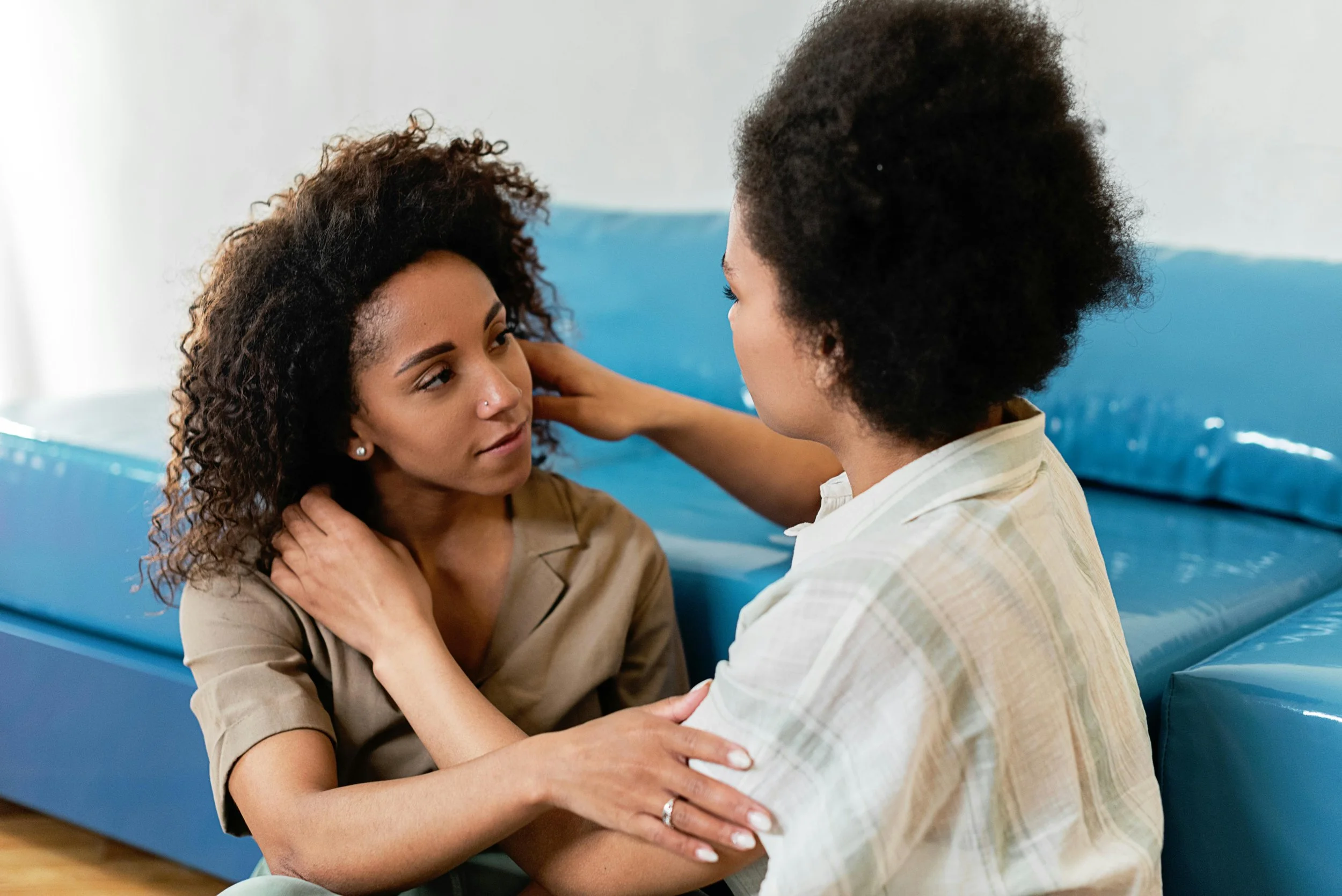
What grief after miscarriage actually looks like
Grief doesn’t follow a neat five-stage path. For most women, it comes in waves, and those waves can be unpredictable. You might feel okay for a few days and then fall apart in the grocery store because you walked past the baby aisle. That’s not a setback. That’s grief.
Some things you might experience:
Sadness, longing, or a deep sense of emptiness
Anger — at your body, at the unfairness of it, at people who say the wrong thing
Guilt, even when you know logically that nothing you did caused this
Numbness, or feeling disconnected from your own life
Anxiety about your body, your health, or future pregnancies
Brief moments of feeling okay, followed by guilt for feeling okay
All of these are normal. None of them mean you are broken.
The physical side of grief that no one prepares you for
Grief lives in the body. After a miscarriage, your body went through something significant — physically and hormonally — and that doesn’t just resolve overnight. Many women are surprised by how their body continues to grieve even as they try to move forward.
You might notice:
Fatigue that feels deeper than just being tired
Physical tension, especially in the chest, shoulders, or stomach
Trouble sleeping, or sleeping much more than usual
A changed relationship with your body — feeling disconnected from it, or even betrayed by it
Hormonal shifts that affect your mood in ways that feel out of your control
Heightened sensitivity to pregnancy announcements, baby showers, or seeing newborns
Being gentle with your body right now is not weakness. It’s wisdom.

When the people around you don’t know what to say
Most people are not trying to be hurtful. They are uncomfortable with loss and don’t know how to sit with yours. So they rush to silver linings. They offer statistics. They change the subject. And you are left feeling more alone than you did before you said anything.
It’s okay to tell people what you need. It’s okay to say: “I don’t need reassurance right now, I just need you to listen.” It’s also okay to protect your energy and stop sharing with people who consistently make you feel worse.
What actually helps, if you’re wondering what to ask for: someone who will say your baby’s name, acknowledge the loss without minimizing it, and check in on you a few weeks later when everyone else has moved on.
You and your partner may grieve very differently
This is one of the things that surprises couples most. Two people can experience the same loss and grieve in completely different ways, on completely different timelines. One partner may need to talk about it constantly. The other may go quiet, throw themselves into work, or seem to “move on” quickly.
Neither of you is grieving wrong. But the difference can create real distance if it’s not named. Miscarriage is one of the most common reasons couples feel disconnected from each other, not because the loss broke them, but because they didn’t have a road map for grieving together.
If you find yourselves struggling to find each other in the grief, that is not a sign your relationship is in trouble. It is a sign you are both hurting, and that you might benefit from some support.

Grief doesn’t disappear when you get pregnant again
If you go on to have another pregnancy, you may find that the grief resurfaces in unexpected ways. Anxiety in a subsequent pregnancy after loss is incredibly common, and it makes complete sense. Your body and your heart remember what happened.
You might find it hard to bond with the new pregnancy. You might hold back from feeling excited as a way of protecting yourself. You might hit milestones — the first ultrasound, the due date of the pregnancy you lost — and feel the grief all over again.
This does not mean you are not ready, or that you love this new baby less. It means you are human. Loving again after loss takes courage.
There is no timeline for this
You do not have to be “over it” by a certain date. Grief after miscarriage does not follow a calendar. Some women feel like themselves again within a few months. Others carry this loss for years, and find it woven into who they are.
Both are okay. Healing is not linear. You will have hard days that seem to come out of nowhere — an anniversary, a friend’s pregnancy announcement, a song that was playing in the background on the day you found out. That does not mean you haven’t healed. It means this loss mattered.
Give yourself permission to grieve in whatever way and for however long you need to.

You don’t have to navigate this alone
If you are finding that grief is making it hard to function, affecting your relationships, or showing up in a subsequent pregnancy in ways that feel overwhelming, therapy can help. Working with a therapist who specializes in pregnancy loss means you have a space that is entirely yours… to say the things you can’t say to the people in your life, to grieve without having to manage anyone else’s discomfort, and to slowly find your footing again.
If you’re in Texas or Washington and you’re looking for support, we offer virtual therapy for pregnancy loss and infertility. Reach out when you’re ready, there’s no pressure and no timeline.