How to Become a Postpartum Therapist
If you feel called to support new mothers through one of the most vulnerable and transformative times of their lives, postpartum therapy might be the career path you've been looking for.
The postpartum period (roughly the first year after childbirth) is a time of enormous change. For many new parents, it's also a time of unexpected struggle. Postpartum depression affects about 1 in 5 mothers, and conditions like postpartum anxiety, OCD, and psychosis are more common than most people realize. The demand for qualified postpartum therapists is growing, and so is the opportunity to make a real difference in people's lives.
So, what does it take to become a postpartum therapist? Let's walk through it together.
What does a postpartum therapist actually do?
Postpartum therapists are licensed mental health professionals who specialize in supporting individuals and families during the perinatal period — that means pregnancy and the time following birth. They help clients navigate postpartum depression, birth trauma, adjustment challenges, relationship strain, and the identity shifts that come with becoming a parent.
The work is deeply relational and incredibly rewarding. It often involves a mix of individual therapy, couples work, and sometimes group support.

Step-by-step: the path to becoming a postpartum therapist
Earn a relevant undergraduate degree
Start with a bachelor's degree in psychology, social work, counseling, or a related field. This gives you the foundational knowledge you'll build on throughout graduate school.
Complete a master's or doctoral degree
A graduate degree is required for licensure. Common paths include an MSW (Master of Social Work), an MS or MA in Counseling, or a Marriage and Family Therapy (MFT) degree. Some therapists pursue a PsyD or PhD for broader scope.
Get licensed in your state
After completing your degree, you'll need to accumulate supervised clinical hours and pass a licensing exam. Depending on your state and degree, you may become an LPC, LCSW, LMFT, or psychologist.
Seek postpartum-specific training
This is where you start to specialize. Postpartum Support International (PSI) offers training and certification in perinatal mental health. The PSI Certificate in Perinatal Mental Health is one of the most recognized credentials in the field.
Build clinical experience with perinatal clients
Look for practicum placements, internships, or entry-level roles at OB-GYN practices, hospitals, birth centers, or community mental health centers that serve new parents. Hands-on experience is irreplaceable.
Pursue continuing education and consultation
The field of perinatal mental health is always evolving. Join PSI, attend conferences, and seek supervision or consultation from experienced postpartum therapists to keep growing your skills.

What qualities make a great postpartum therapist?
Clinical skills matter, but so does who you are as a person. Postpartum therapists tend to be warm, non-judgmental, and comfortable sitting with a wide range of emotions — from grief and rage to joy and ambivalence. You'll work with clients who may feel ashamed about struggling during what "should" be a happy time, so your ability to normalize their experiences is everything. Appropriate self-disclosure can go a long way to validate their feelings.
Flexibility is important too. New parents have unpredictable schedules, and offering evening/weekend appointments or telehealth options can make your practice far more accessible to the people who need you most.
How long does it take?
Realistically, the full journey (undergrad, graduate school, supervised hours, and licensure) takes about 6 to 10 years. After licensure, adding a postpartum specialization through PSI training can happen relatively quickly. Many therapists begin integrating perinatal work into their practice while they're still building toward full licensure.
Is there a demand for postpartum therapists?
Yes — and it's growing. Awareness of postpartum mental health conditions has increased significantly in recent years, and more new parents are actively seeking specialized support rather than "pushing through." Culturally, there's been a meaningful shift in how we talk about the emotional experience of new parenthood. For therapists with the right training, this is an incredible time to specialize.
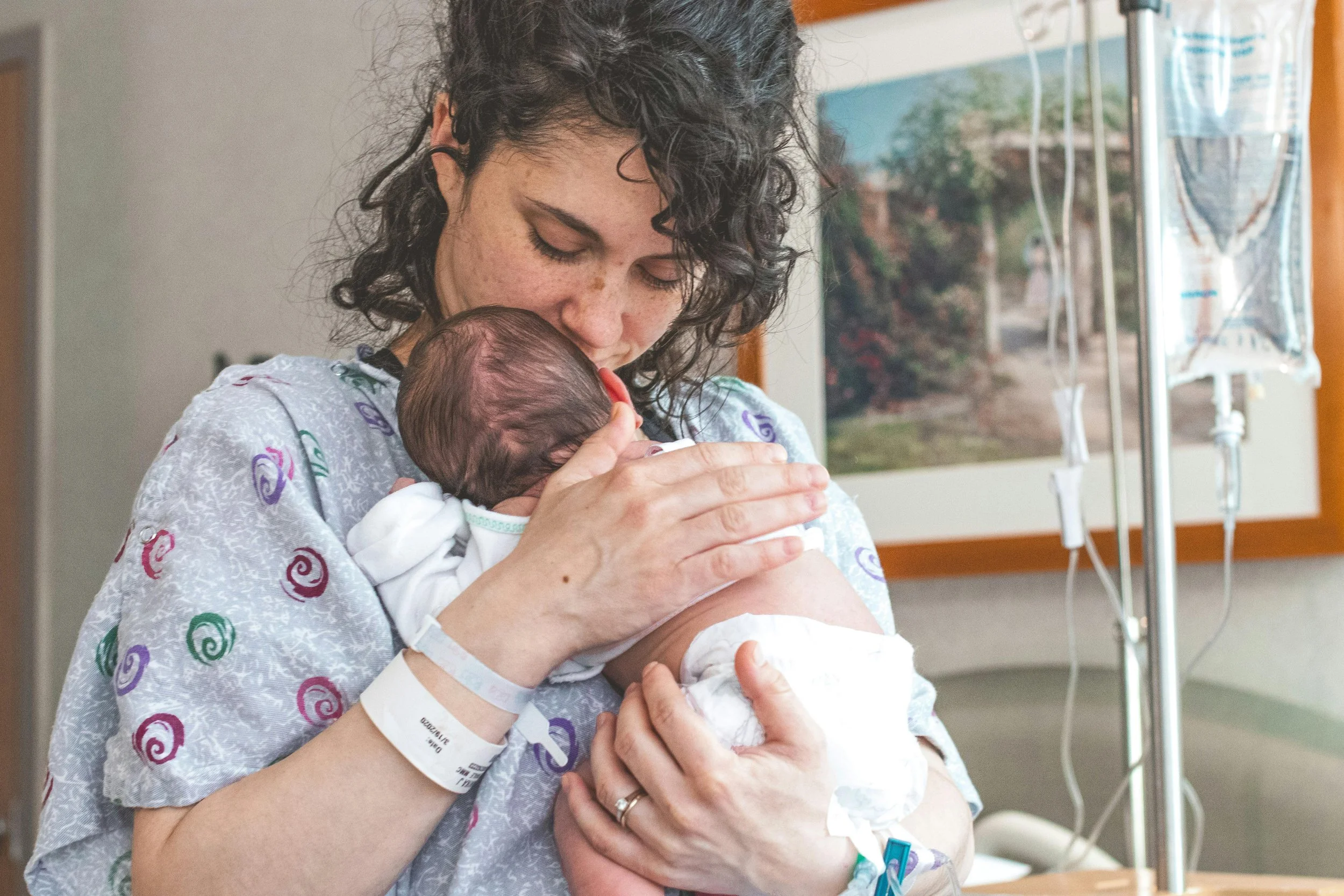
Becoming a postpartum therapist is a meaningful, long-term commitment… but for those drawn to this work, it's one of the most profound ways to serve families in their most transformative moments. If you feel the pull, trust it. The world needs more people who care enough to show up for new parents.